

Not every event needs a dedicated venue. A hotel hall attached to a property that can also handle guests’ rooms and meals tends to simplify logistics that would otherwise be spread across three separate vendors, three separate invoices, and three separate points of failure.
Where the Planning Actually Starts
The conversation is usually shorter than people expect. Confirm the date and the headcount first — both drive everything else. Then talk through catering early, since that’s the piece with the longest lead time and the one most likely to need adjusting once numbers firm up.

Layout matters more than most first-time organisers realise. A hall that looks the right size empty can feel completely different once tables, a stage, or a dance floor are added — asking to see (or at least sketch) the actual floor plan before committing avoids a surprise on the day.
Why the Same-Property Advantage Is Real
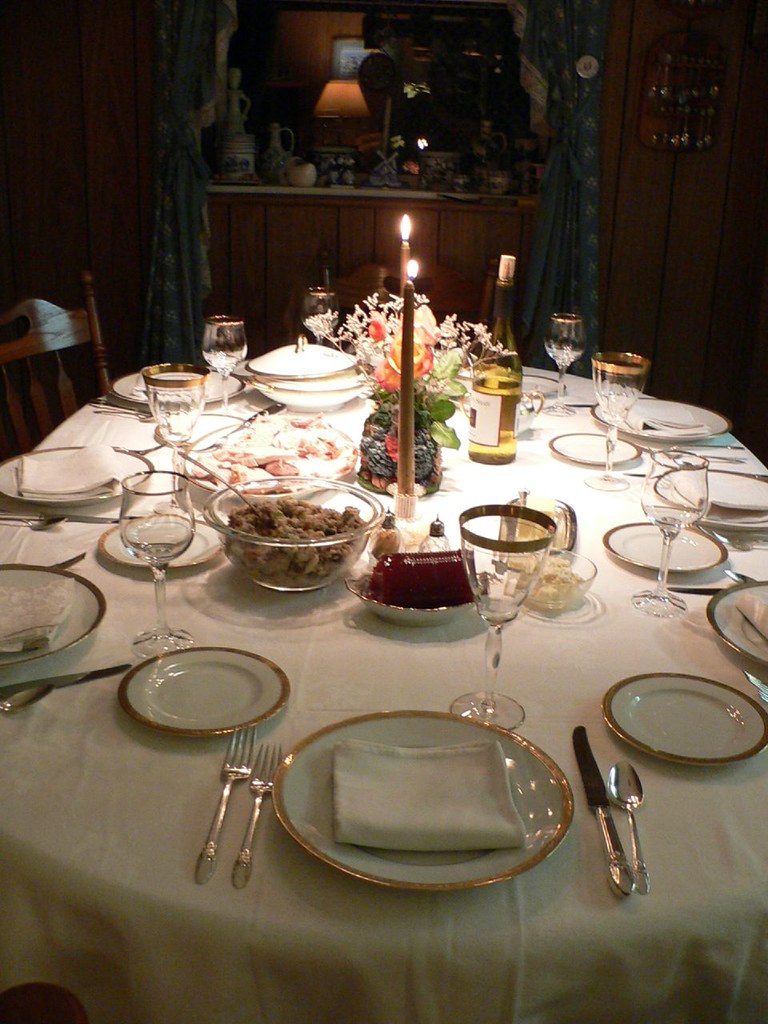
The advantage shows up on the day itself, not in the brochure. A coordination problem between the venue and the caterer becomes a five-minute conversation with the same front desk, not a phone call to a stranger who’s never seen the room. Guests staying overnight walk from their room to the event and back — no transport to arrange, no one arriving late because of traffic.
For events with out-of-town guests especially, this single detail — everyone under one roof — tends to matter more in hindsight than almost anything else about the venue.