

Hotel restaurants have quietly stopped trying to be everything to everyone. The better ones now do a smaller menu well rather than a large one adequately, and the shift has been good for guests even if it wasn’t obviously marketed that way.
Smaller, Sharper Menus
A shorter menu usually means faster service and a kitchen that isn’t stretched across too many dishes at once — food arrives hotter, orders come out more consistently, and the kitchen has room to actually do a handful of things well rather than a long list adequately.
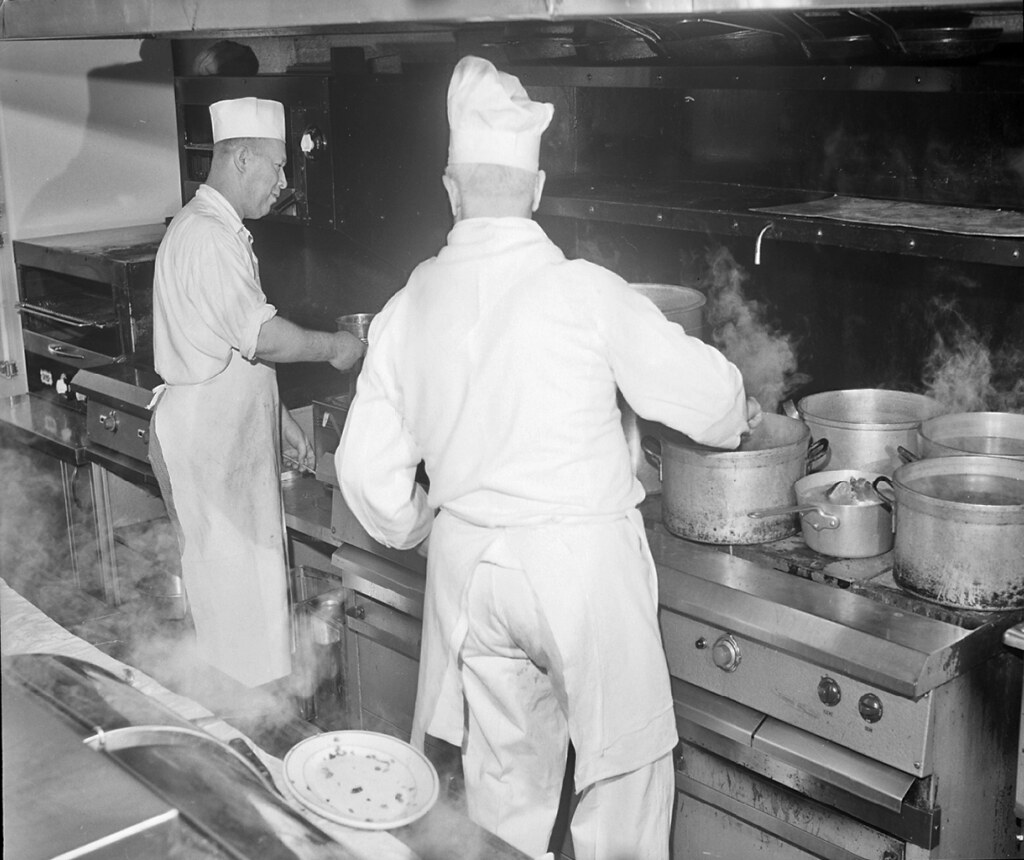
It also tends to mean fresher ingredients, since a smaller menu is easier to source well for than a sprawling one trying to cover every cuisine a hotel’s international guest base might want.
What Guests Are Actually Asking For

Local, specific dishes are increasingly preferred over a generic “international” menu that could belong to any hotel anywhere. Guests travelling for business still want to eat something that reflects where they actually are.
None of this means dining has gotten more complicated. If anything, the trend is toward simplicity done properly — a focused menu, well executed, beats an ambitious one that the kitchen can’t consistently deliver on a busy night.